Bodenets House Image Corpus: IPTC/XMP Metadata Test
Public research corpus for testing how embedded cultural metadata is preserved, removed or transformed across digital platforms
Purpose and scope
Contemporary cultural activity produces digital images for which a portable metadata layer is particularly important. A photograph documenting an exhibition, festival or public programme may involve several active layers of authorship and responsibility: the creator of the depicted work, the photographer, the exhibition or curatorial context, the institution or gallery, and sometimes the author of subsequent digital processing. In such cases, the absence of portable descriptive metadata is not merely a technical omission, but a risk to the future identification, accurate attribution, citation and responsible reuse of the image.
To examine this problem under controlled conditions, this page serves as the public landing page for a small research image corpus created to test how embedded IPTC/XMP metadata is preserved, removed or transformed when image files are opened, downloaded, shared or processed across different digital platforms.
The corpus contains three photographs, each presented as a controlled pair: a plain version without added cultural-descriptive IPTC/XMP metadata and a context version containing embedded descriptive, authorship, rights and cultural-context information.
All three photographs document the same historic house in the village of Bodenets, Vratsa Region, Bulgaria. The building was constructed in 1928 and is associated with local family history, later public use and community memory. The house serves as the documented cultural object in this metadata transport study.
The page provides stable public access to the six test files. The images are used to compare the behaviour of visually corresponding files with different metadata layers.
Research outputs
The results of the study are currently being developed in three complementary forms, intended for different audiences and levels of verification:
- Research article — the scholarly argument, methodology, analysis and conclusions.
- Research dataset — the test files, protocols and supporting evidence needed to inspect and verify the reported results.
- What Is in the Photograph? — a planned public-facing research exhibition presenting the visual and cultural narrative of the project.
The results are currently being summarized and prepared for publication. Links to the research article, dataset and exhibition will be added as they become available.
Controlled image pairs
Each pair contains the same photographic image in two test versions. The context version is the metadata-enriched file; the plain version serves as its control counterpart.
Image 01 — General view of the house
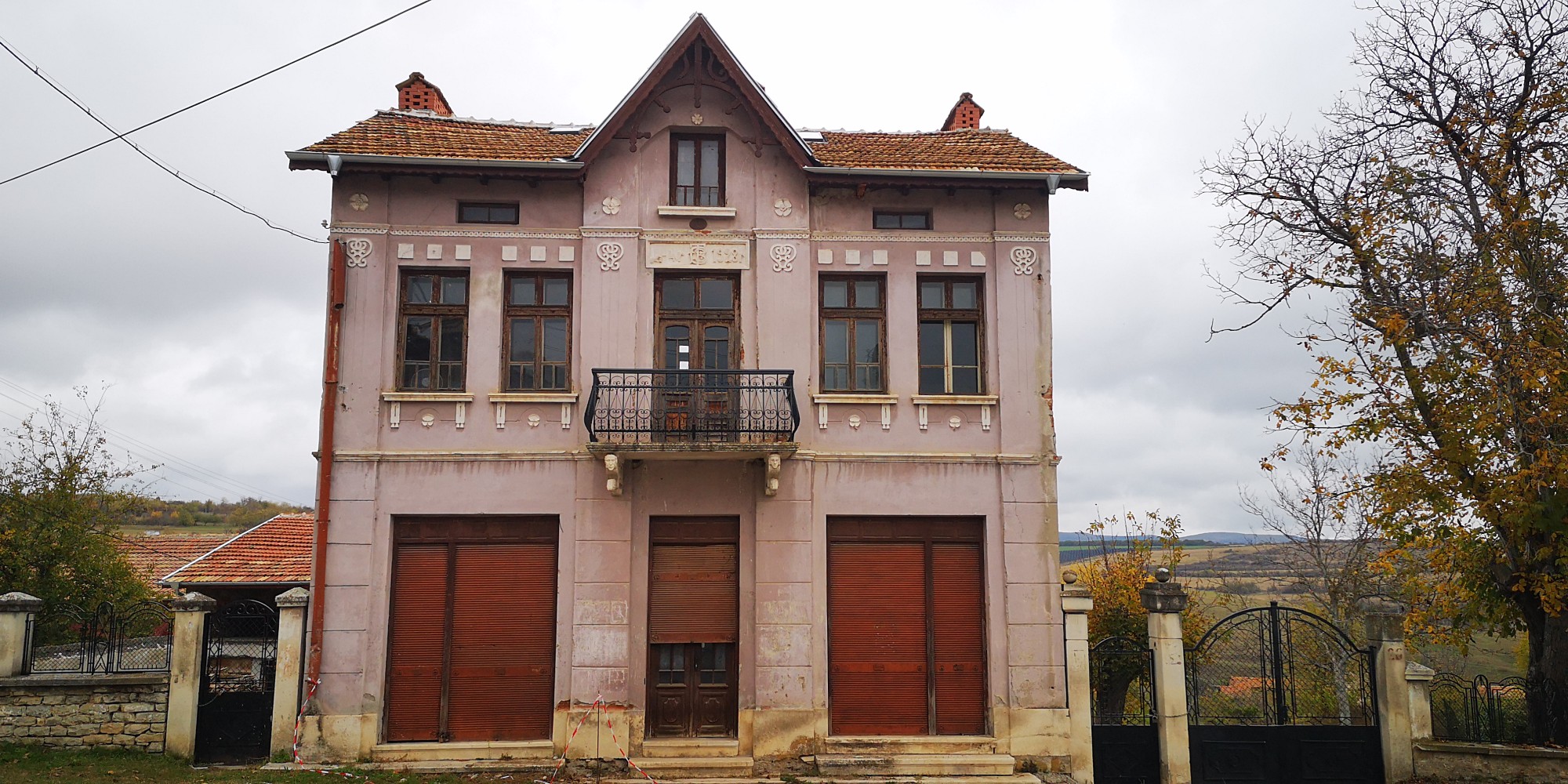
img01_house_context.jpgContext version with embedded IPTC/XMP metadata. The photograph documents a representative house constructed in 1928 in Bodenets, Vratsa Region, Bulgaria.
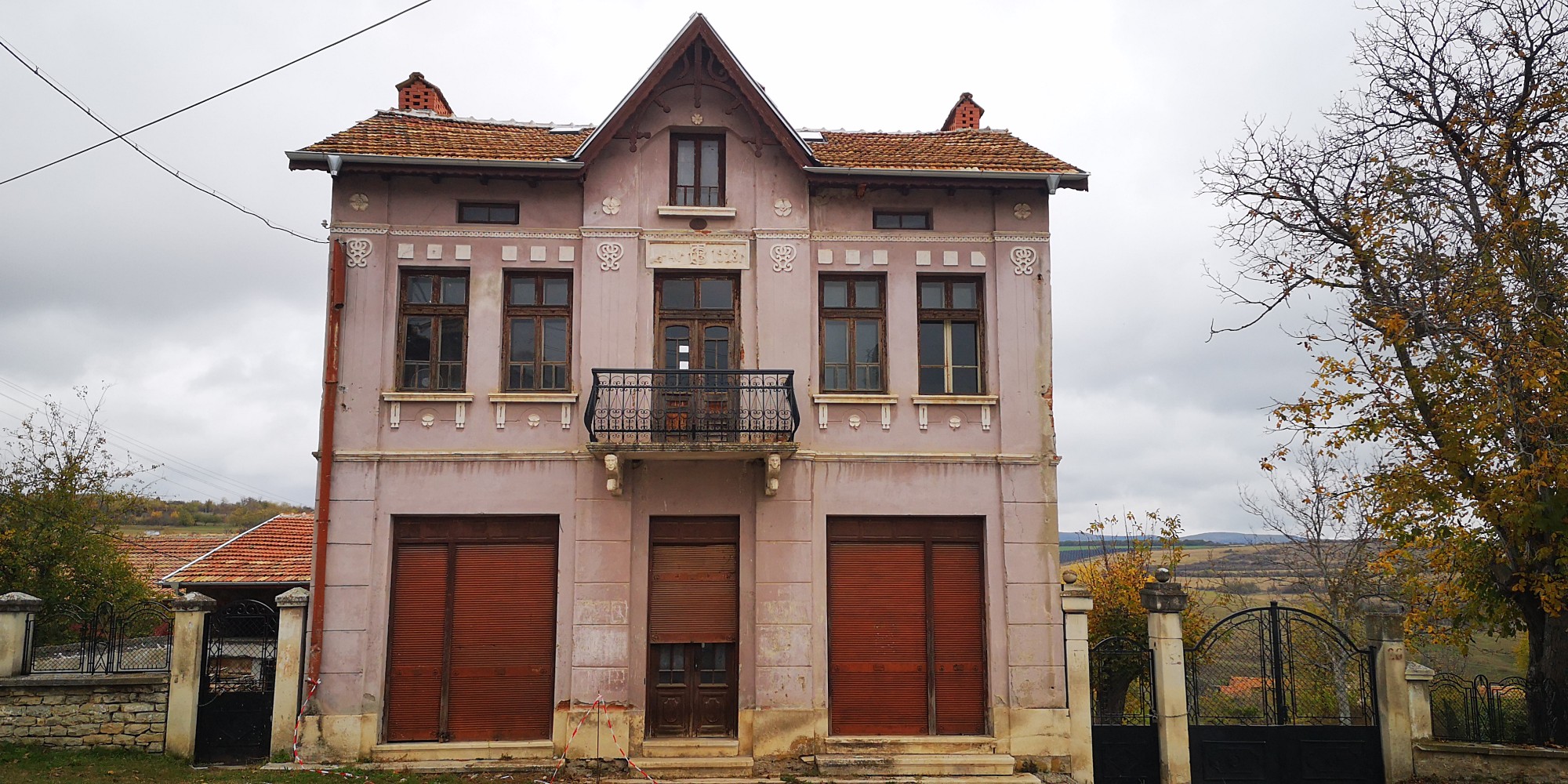
img01_house_plain.jpgPlain version without added cultural-descriptive IPTC/XMP metadata.
Image 02 — Balcony and facade decoration
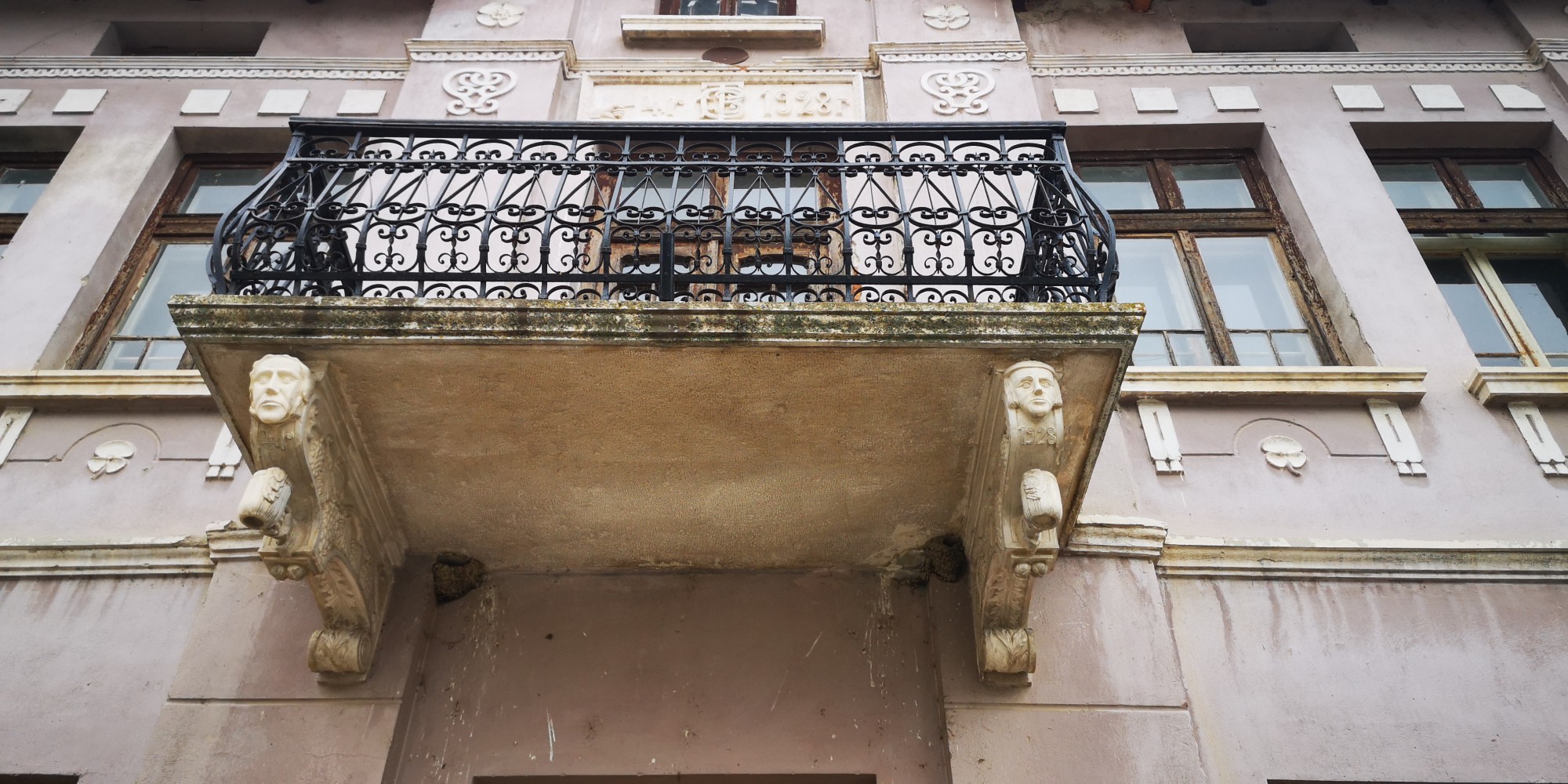
img02_balcony_context.jpgContext version with embedded IPTC/XMP metadata. The detail shows the central balcony, wrought iron railing, decorative consoles, mascarons and the year 1928.
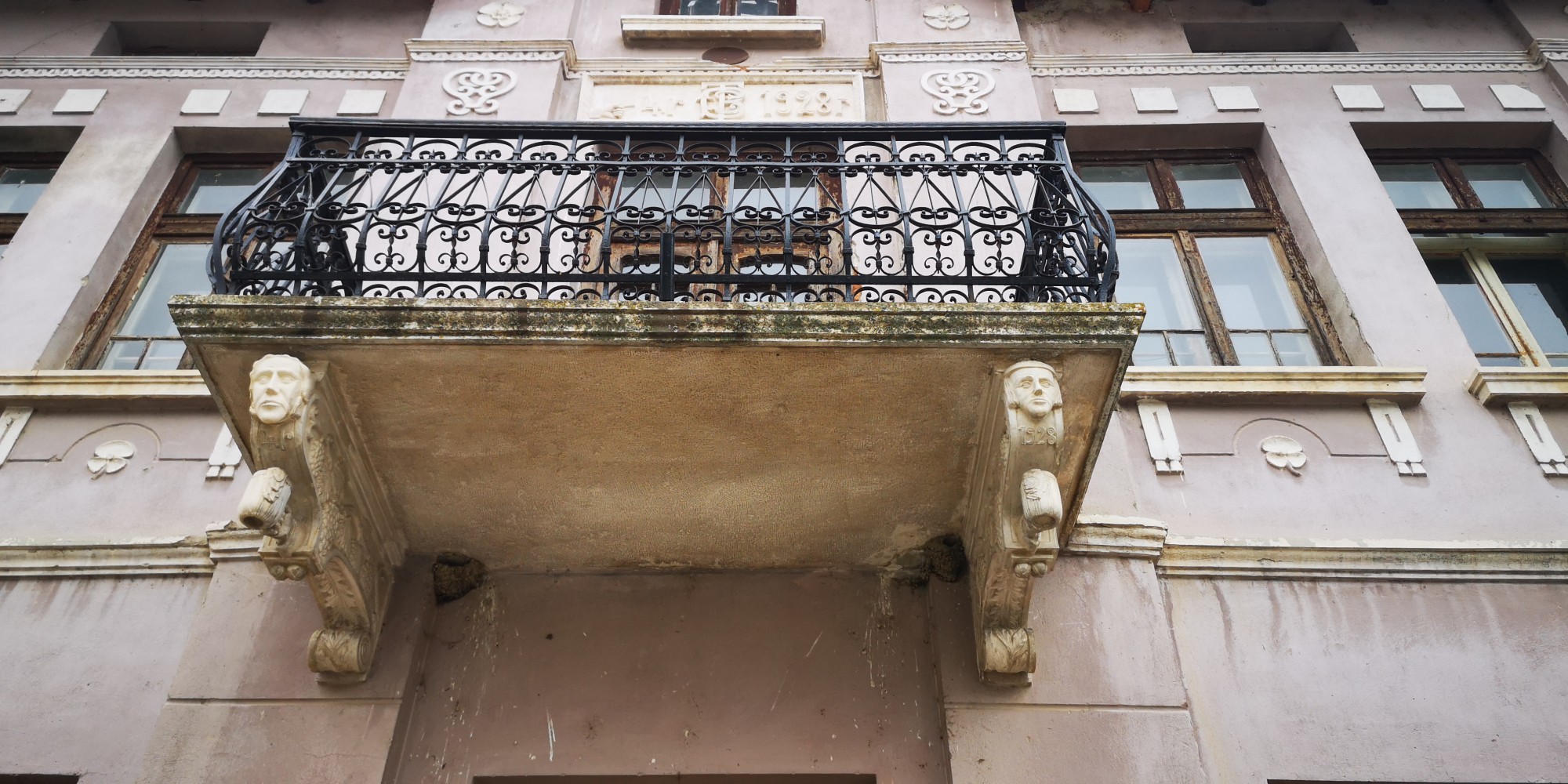
img02_balcony_plain.jpgPlain version without added cultural-descriptive IPTC/XMP metadata.
Image 03 — Entrance area
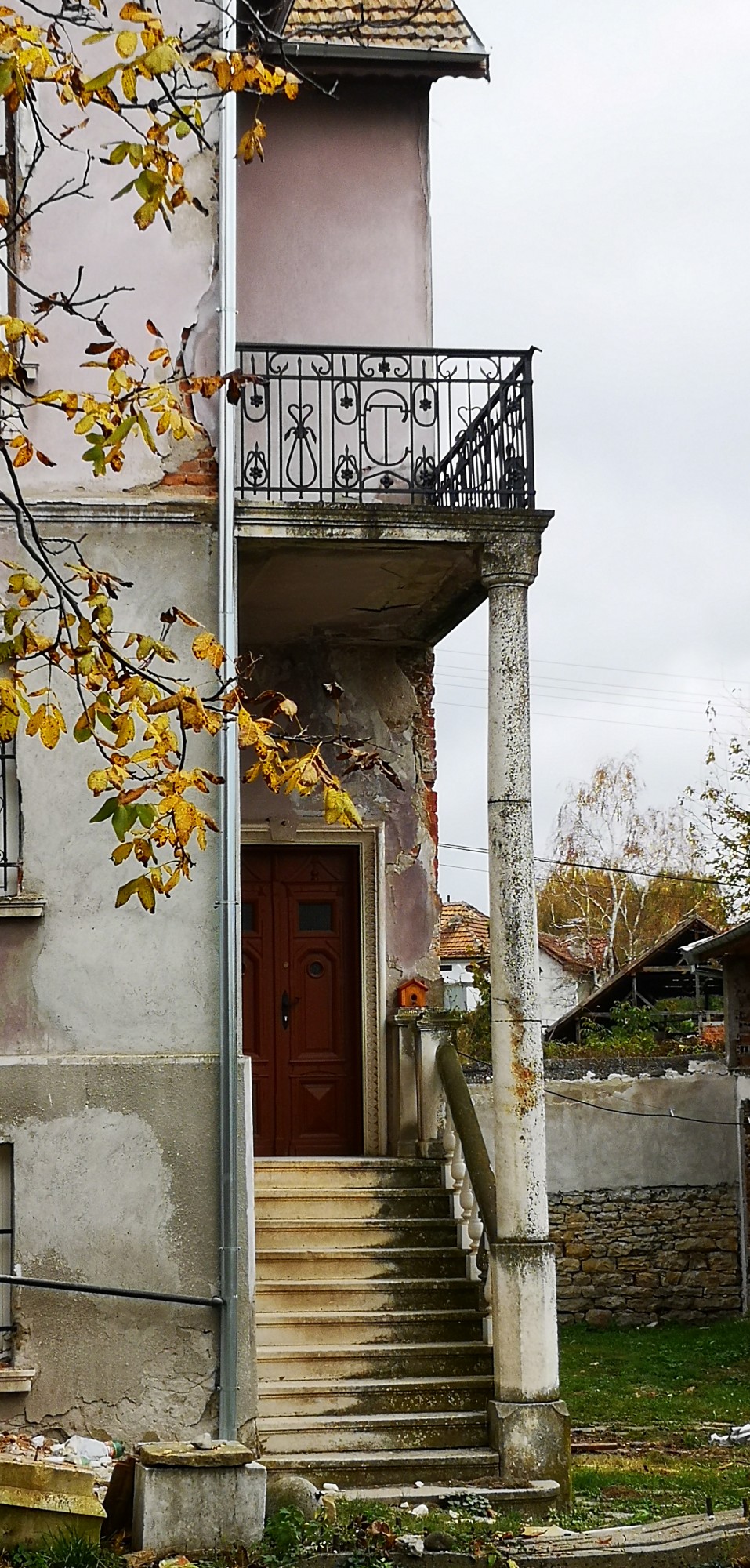
img03_entrance_context.jpgContext version with embedded IPTC/XMP metadata. The photograph records the side entrance and visible traces of ageing, damaged plaster and later interventions.
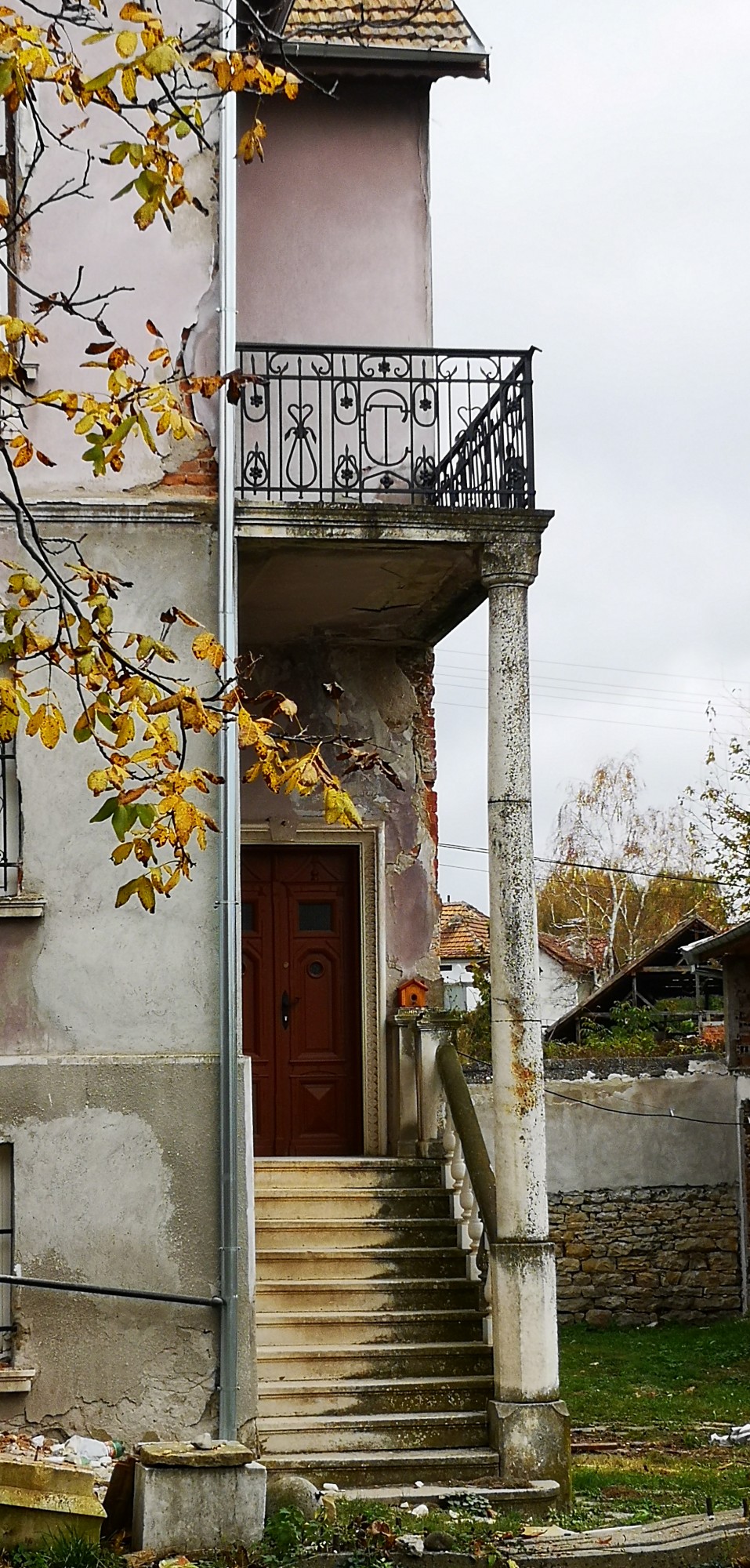
img03_entrance_plain.jpgPlain version without added cultural-descriptive IPTC/XMP metadata.
Credits and rights
Photographs: Tanya Mitkova, 2020.
Metadata preparation and contextual description: Tanya Mitkova / Art Stylus, 2026.
The images on this page are part of a public metadata transport test. The context versions contain embedded IPTC/XMP metadata with descriptive, authorship, rights and contextual information.
Reuse requires attribution and permission from the copyright holder, unless otherwise agreed in writing.
Suggested credit line:
Tanya Mitkova / Art Stylus